Home » Buying A Home During Coronavirus

Posts Tagged ‘Buying A Home During Coronavirus’

First-Time Buyers: Can I Still Buy a Home in Coachella Valley During COVID-19?

First-Time Buyers: Can I Still Buy a Home in Coachella Valley During COVID-19?
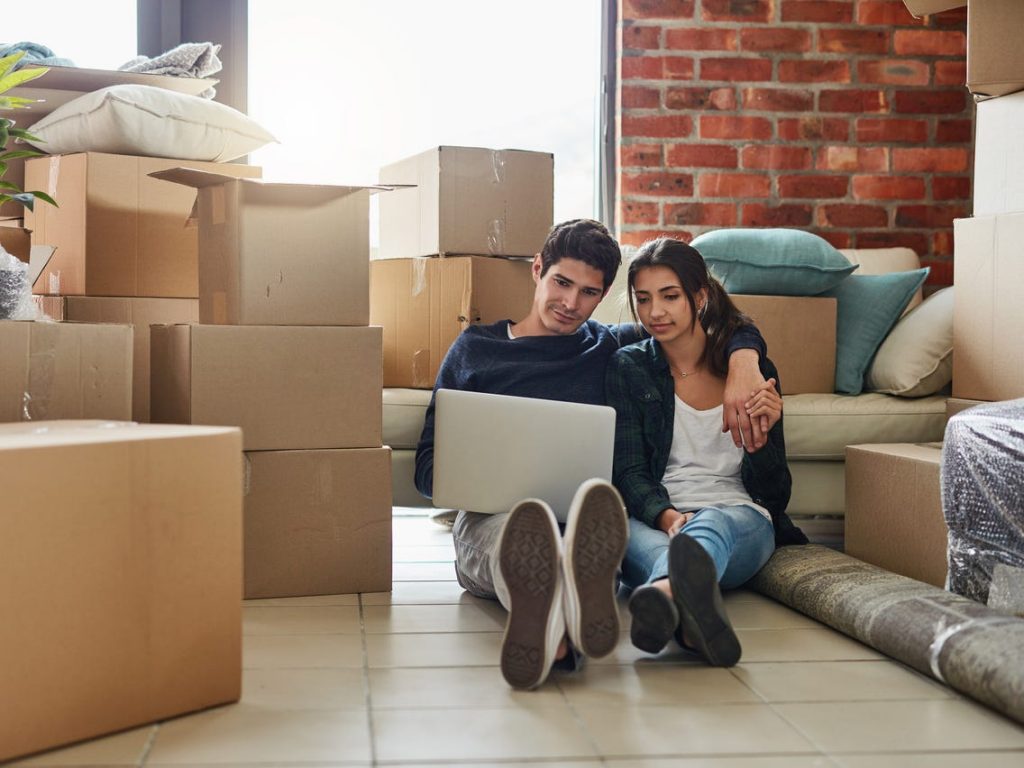
I'm a first-time buyer. Can I still buy a home in Coachella Valley during COVID-19? If you are a first-time homebuyer and were in the process of shopping for a house in Coachella Valley before the coronavirus, the pandemic likely put a wrench in your plans. But should it? When you’ve never bought a house before, you don’t know what you don’t know about the process, and buying a house for the first time during a pandemic isn’t an experience you can ask your friends and family about —  these are uncharted waters.

The truth is, many first-time buyers are still buying homes during this crisis, but things are different now than they were before the pandemic. Here is what you need to know as a first-time buyer during the coronavirus.

First: Know the rules are different everywhere

Before you begin shopping for a home, know that the rules about the industries deemed “essential” during the pandemic vary state-to-state and even city-to-city. If you’re buying a home in the same market you already rent in, this fact might not impact you much.

If you’re buying in a new city or state, however, make sure you know the rules in your future hometown. For example, in states like Alaska, travelers are required to go straight to their “designated quarantine location,” and remain there for 14 days upon arrival in the state. That means if you show up from out of state to shop, you won’t be able to tour a home for at least two weeks (if tours are allowed at all).

Note, too, that the rules are constantly changing and evolving, so check back often to ensure you’re up to date on the latest policies. A local real estate agent or the local Multiple Listing Service (MLS) are good sources of information about what is and isn’t allowed in your area, real-estate-wise.

You can still shop for a house

“This is normally my busiest time of year,” says Anthony Sacco, a top-recommended agent with seven years of experience in Rehoboth Beach, Delaware. “My call volume has decreased. The showing volume has decreased. I’ve had a few buyer contracts fall through.” Despite all that, you can still shop for a home, but some things will be a little different.

“The rules of viewing a property are different than before the coronavirus,” says Sacco. “In our state, we can only show property under certain rules.

“The first rule is you must be preapproved for us to show you the property in person. If someone isn’t preapproved, we can still work with them, but we have to have a virtual showing, where I go to the house and walk the property while FaceTiming with them.”

In Cleveland, Ohio, where Brad Klimek, an award-winning agent who specializes in first-time homebuyers, works, “You are only supposed to show the house to whoever will be on the title,” he says. Despite the rules, “people have still been bringing their friends and kids.

“I’ve promised the seller that one or two people plus the agent will go through the house. If you show up with anyone else, I have to tell them, ‘Sorry, I can’t let you in.’”

Another issue first-time homebuyers may face in the age of the coronavirus is a shortage of inventory. While inventory has been low for the past few years, “so many people took their home off the market, it’s extremely low now,” says Klimek. “Normally this time of year you might have 40 or 50 houses to choose from, and now you only have four or five. A lot of sellers are waiting for the virus to lift because they are scared for people to come into their homes, even though Realtors are taking every precaution.”

Your preapproval might need an update

While the process of getting preapproved for a loan hasn’t changed (most buyers today do an online preapproval application anyway, Sacco says), the preapproval itself has changed since the virus struck.

Some lenders are now imposing overlays (in other words, increasing their standards), which means your price range might have changed because your approved loan amount is lower — or you may no longer qualify for a loan at all.

“Once you go under contract, you have to get the formal loan approval,” explains Klimek. “Some people with preapproval letters are getting denied when they go for the formal loan application because they don’t meet the requirements.

“The banks are constantly changing requirements,” Klimek adds. Because of the recent overlays imposed by some banks, Klimek says that some of his clients who originally qualified for loans found themselves ineligible when minimum credit score requirements were raised.  “That essentially knocked a lot of people out of contract,” he says.

Closing

Sacco says that once the house goes under contract, “closing is different in today’s world.”

You’ll still be able to get an appraisal, but Klimek says he’s seeing a lot more drive-by appraisals, even for FHA loans. These will be allowed through May 17, 2020, under current regulations.

Depending on whether real estate is considered essential or not, you might or might not be able to get an inspection. If you can get an inspection, don’t expect to attend.

Sacco says that in his area, “buyers aren’t going to inspections. Agents aren’t going to inspections — it’s only the home inspector.

“The inspector is taking videos to loop in the buyer, in addition to the reports they provide, so buyers can get a better feel for the property.”

When it comes time to closing, Sacco says that in Delaware, they are moving to electronic notarizations. Not every state offers these, but many that don’t are accelerating acceptance of this technical solution.

Klimek says in Cleveland, in-person closings are still happening, but “only the people on the title are allowed in the office, and they have to wear masks.” Once the paperwork is signed, the paperwork is taken to a dropbox outside of the court because no one is allowed inside. Additionally, “the courts are only open until noon, so trying to transfer the title can take some time,” he says.

Because of the delay, it’s important to get title insurance. Klimek says that some of the big title companies are making sure both buyer and seller get title insurance (which isn’t typically required). This is done so that as soon as they drop off the documents at the courthouse, the title insurance kicks in, and the buyer can take possession of the house before the title officially transfers to them.

Delays

Speaking of delays, “the virus has delayed every single aspect of the homebuying process,” says Klimek. “From being able to get into the house for a showing, to getting the preapproval, to having inspectors enter the house. Every single aspect is delayed from beginning to end.”

Though Sacco says most of his loans are generally closing on time, “one of my USDA transactions was delayed a couple of weeks.” Additionally, he says “some types of loan transactions aren’t funding. I had people doing bank statement loans (mortgages for people who are self-employed) — they closed on their house, and then we found out a couple of days later that those loans have been suspended temporarily.”

Klimek says that some of his clients have experienced delays because they’ve encountered issues with sourcing materials needed to improve the home. “I have an FHA deal closing, and the FHA appraiser did a drive-by appraisal of the property and said they needed a new railing for the porch. That’s no problem in a normal market. But when the sellers went to buy the railing, they were told it was on special order because manufacturers are only focusing on the necessities, so the earliest the rail will arrive is June. What do you do?”

In order to divert some of the problems caused by delays, agents are adding a coronavirus addendum to contracts. These extend the closing date and also offer other protections for buyers and sellers.

Cleaning and moving

The final step in the home buying process is the fun part — cleaning the home and moving into it!

Depending on the regulations in your area, you might or might not be able to hire people to help you clean and move. If you can’t hire people to deep-clean the house before you move in, consider sealing the house up for three or four days after the previous owners move out, just to make sure the virus isn’t alive inside the home (viruses need hosts to survive, and the coronavirus might live on surfaces for up to several days).

If you do hire move-in help, open all the doors for the moving crew in order to minimize the surfaces they touch (including closet doors), turn on all the lights, and provide gloves and masks for them if you can. Open all the windows and doors in the house, too, to keep air circulating through. Once they’re done moving your things in, wipe down all door handles and surfaces with an EPA-registered disinfectant.

Things will certainly be a little different than normal when you set out to buy a home during the coronavirus. Sacco points out that for a first-time buyer, it’s now more important than ever to work with a great real estate agent.

“You can’t just go into a house or a new construction office like you used to and say, ‘Can I look at this?’” says Sacco.

“The need for understanding the home buying process is even higher now. We can help the buyer understand how to get preapproved, who they need to talk to, and subsequently what types of properties will fit their needs.

“First-time buyers usually need extensive guidance anyway, but now it would be much harder to buy without someone to guide you through the process from beginning to end.”

Partner with Award-winning Coachella Valley REALTOR® – Elaine Stewart

Whether you are interested in Coachella Valley homes for sale or you are ready to list your current property, experience matters the most in a changing market. With over 27 years of local experience, Elaine Stewart provides the kind of knowledge, skills, dedication, and personalized service you need and deserve. A member of the RE/MAX Platinum Club and RE/MAX Hall of Fame, Elaine will protect your interests, advocate for you, and go above and beyond to ensure a smooth and successful transaction!

If you or someone you know is interested in buying or selling  Coachella Valley real estate, please call multi-award-winning REALTOR® - Elaine Stewart today at (760) 668-2399, or you can get in touch with her here.

Elaine Stewart
RE/MAX Desert Properties
1775 E. Palm Canyon Dr. Suite #610,
Palm Springs, CA 92264
Mobile Direct: (760) 668-2399
Email: Desertrealestate 1@ yahoo.com
BRE # 01169846


(Article Source: Homelight.com)

Buying a House in Coachella Valley Remotely in The New Normal

How to Buy a House in Coachella Valley Remotely: The New Normal

 Buying a House in Coachella Valley Remotely in The New Normal

  Buying a House in Coachella Valley Remotely in The New Normal

Just a few months ago, a storyline about shopping for and buying a house in Coachella Valley without ever actually seeing it would be unbelievable.

The tale of a terrible pandemic that disrupts nearly every aspect of everyday life and forces people to buy homes remotely would seem more like a strange dream or a work of dark, dystopian real-estate fiction.

But here we are! And collectively, we’ve found ways to keep moving forward, as we must, from Old Normal to New Normal.

As we grow accustomed to our new reality (guided by the CDC and WHO), you might be surprised to learn that buying a house online is a process that was well established in the Old Normal.

Buying a house remotely (with zero regrets) is a fairly simple process, so don’t let the fear of the unknown dampen your excitement!

Whether you’re just beginning to browse or you’re close to closing, this remote buying process is easier than you may think. This guide will walk you through the whole routine.

A computer use to buy a house remotely.
Source: (NeONBRAND / Unsplash)

Finding Mr. or Mrs. Right Agent

Finding the right agent is always the first step when you’re house-hunting, but it’s especially critical to find Mr. or Mrs. Right when you’re trusting them to be your eyes and ears for a remote purchase.

We’ve called upon two expert agents to help guide you through the whole process. Jason Moon and Charles Ryan are both superstars in their areas (Northwest Indiana and Detroit, respectively), and they were delighted to offer sage wisdom on both shopping for a home online and what to expect in the purchasing process.

Ryan and Moon agree: buying and selling homes remotely is not uncharted territory. In fact, Ryan’s 18 years of experience include helping remote buyers during the resurgence of the Detroit real estate market in the late 2010s (when out-of-state investors were buying homes left and right, sight unseen). Of our current lock-down situation, he says:

”This is one of the strangest markets ever. But though this market is strange, it’s not totally unfamiliar.”

This kind of confidence and awareness of market trends are two competencies to look for when interviewing agents, and there are many, many more. Ryan and Moon also see eye-to-eye on two key aspects for identifying the right agent to help you buy a house remotely, and both have to do with familiarity.

1. Find an agent who knows the area

When you choose an agent, make sure they are deeply familiar with the city and community. You want someone who knows more than just the average price per square foot and the name of the mayor. Find someone who knows what it’s like to live there — someone who knows what it’s like to call that place home.

2. Find an agent who has experience with remote purchases

It (almost) goes without saying that it’s best to work with someone who knows this process forward and backward. The best way to assure a smooth ride is to find someone who knows the road.

Beyond familiarity with the process, Moon says a good agent has the heart of a teacher. Many buyers are not comfortable with the technology upon which remote buying of homes relies, but as long as the buyer is receptive to learning, he’s delighted to teach.

“If someone doesn’t understand or know something, I am willing to help them.”

The icing on the cake working with an agent is that they will give you access to the MLS, which is, hands down, the most trustworthy source on the housing market data available online. This will be tremendously helpful when you get serious about the next step: house-hunting online.

Start your search online

Shopping for a house online is definitely part of the Old Normal that we’re all used to, but if you’re a serious shopper (unlike those of us who occasionally like to pretend we have zero practical concerns and unlimited millions to spend on our dream house), you’ll focus your attention and proceed methodically.

We suggest making a house-hunting checklist and learning as much as you can about how to shop for a house online.

Keep in mind that looks can be deceiving, so don’t get too caught up with a home that looks perfect in the listing photos. While the layout and location may be exactly what you want, it’s fit and finish that really make one property outshine another, and those qualities can only be truly appreciated in person. So before you e-sign on the dotted line, arrange a virtual tour with your trusted agent.

In a virtual tour, your agent will walk through the house (vacated by sellers) with you on a video chat. You can ask your agent to open doors and turn on lights, look inside closets, and get close-ups of any details in the house that you care to see. It’s not quite the same as being there in person, so ask your agent to also deliver feedback on the sounds, odors, and temperature in the home. This experience offers an impression that is far better than the listing description or photos or virtual tours provided by the seller’s agent.

A home office where a home was bought remotely.
Source: (Garrhet Sampson / Unsplash)

Make the offer

Up to this point in your remote homebuying journey, your agent has been your best buddy. A patient, endlessly helpful, and knowledgeable confidant who can reassure you in times of doubt and virtual high-five you in times of joy.

But now, it’s time for your agent to be your business partner. It’s time to get all your paperwork in order and hand over the reins to your real estate expert.

These negotiations happen between your agent and the seller’s agent and don’t require anything that can’t be done by phone or email, so the coronavirus can’t put the breaks on this part of the deal.

Remember superstar agent Charles Ryan? Among the countless reasons to find a good agent, Ryan, your shrewd business partner, points out that having an agent who knows the seller’s motivation (information you’ll never find online) can make or break a deal.

So sit back, pretend to relax, and let your agent work their magic.

Inspection

This may be the one and only insurmountable obstacle in your remote house-buying plan. The impact of the coronavirus is a constantly shifting landscape, and the rules are being written in pace with constant change and adaptation.

But there is simply no way to do a remote inspection, so if you are buying a house in a state where real estate is considered a nonessential service, there’s just no way around it. You’re going to have to wait.

On the bright side, those rules apply to everyone equally so you don’t have to worry about your dream home being bought by someone else.

Appraisal

It might be hard to believe, but an appraisal can be done without anyone stepping foot in the home. There are many things that go into determining a home’s worth, but the constellation of external factors that determine a home’s current value can be combined with information collected by “drive-by” and “desktop” appraisals to calculate an accurate figure. This may seem like it’s part of the New Normal, but it’s actually pretty well-established.

Title review

A title review is essentially an examination of property boundaries and ownership history. It’s a fine-toothed legal comb, looking for any missed crosses on T’s or I’s without dots. It’s almost always done online, so the current pandemic restrictions do not have a big effect on this part of the process. Hooray!

Final walkthrough

Here’s yet another example of why finding the right agent is super-critical. Your agent will conduct the final walkthrough for you, also over video conference, so you can make sure that any repairs requested after the inspection were made to your satisfaction, and be certain the home is in the condition you want it in.

If you’re feeling shaky about buying a house remotely and want a little more assurance, talk to your agent about how to add a final walkthrough contingency to your contract. With a contingency in place, you can escape at the 11th hour if something has gone terribly wrong.

A parking lot used to buy a house remotely.
Source: (Denisse Leon / Unsplash)

Closing

The details of this last step will vary state-to-state. Since the E-Sign Act of 2000, e-signatures have been recognized as legally binding, but closing on a home requires more than just an authorized signature, it requires a notarized signature.

Here’s where it gets tricky: some states allow remote online notarization (RON), and some do not.

If your state does not allow RONs, don’t fret. Closing is a fairly simple, in-and-out sort of process that can be completed with high regard to hygiene and social distancing. You may be able to go to a branch office of the title company if one is available (depending on your state’s restrictions). If someone in your household is immunocompromised, you might even be able to set up a sort of “drive-through” experience where you don’t have to leave your car, or the documents could be handed through the window of your home.

For states that do allow RONs, be sure you’re in close communication with your agent and the title company — make sure you know when the documents need to be received, and how they will be sent.

Instructions on how and where to wire your down payment should be made clear to you by your superstar agent, but if something doesn’t make sense to you, don’t be afraid to ask for clarification. This may be your first remote home purchase, but it’s certainly not theirs.

Next chapter, new house

We’re all looking forward to a brighter future, and for many of us, that future looks a lot like the not-so-distant past. Hopefully, this guide has boosted your confidence and shown you that there is a clear, easy, and well-worn path to buying a house remotely.

Article Source: Homelight.com

Partner with Top-rated Coachella Valley REALTOR® – Elaine Stewart

Whether you are looking for homes for sale in the Coachella Valley or you are ready to list your current property, experience matters the most in a changing market. With over 27 years of local experience, Elaine Stewart provides the kind of knowledge, skills, dedication, and personalized service you need and deserve. A member of the RE/MAX Platinum Club and RE/MAX Hall of Fame, Elaine will protect your interests, advocate for you, and go above and beyond to ensure a smooth and successful transaction!

If you or someone you know is interested in buying or selling Coachella Valley real estate, please call Elaine Stewart today at (760) 668-2399 or you can get in touch here.

Elaine Stewart
RE/MAX Desert Properties
1775 E. Palm Canyon Dr. Suite #610,
Palm Springs, CA 92264
Mobile Direct: (760) 668-2399
Email: Desertrealestate 1@ yahoo.com
BRE # 01169846